Understanding the Power of Motion Graphics in Modern Storytelling
Motion graphics have emerged as an indispensable tool in the realm of visual storytelling, offering creators the ability to infuse narratives with dynamic energy that static visuals simply cannot achieve. Imagine watching a complex concept unfold in a mesmerizing flow of animated shapes, colors, and kinetic typography – suddenly, the information is not just absorbed, but felt. This is the transformative potential that motion graphics bring to the table, bridging the gap between imagination and comprehension. For professionals and companies, leveraging motion graphics can instantly elevate brand narratives, turning mundane explanations into immersive experiences. The stakes are higher than ever: in a crowded digital landscape, hesitation means being overlooked, and that’s where the fear of missing out (FOMO) becomes a powerful motivator. By integrating motion graphics, storytellers can grab attention, hold it, and guide audiences through intricate messages with a seamless rhythm that evokes emotional resonance and cognitive clarity. For example, educational content designed by nursing education consultants can be transformed from dry lectures into vibrant, interactive journeys that not only teach but inspire action and retention.
Crafting Emotionally Engaging Story Arcs Through Animation
At the heart of any compelling visual story is an emotional journey that resonates with the audience. Motion graphics amplify this effect by layering expressive movements, subtle transitions, and visually striking compositions that tug at heartstrings while delivering core messages. Consider a healthcare training module designed by leading nursing education consultants: instead of reading through pages of text on patient care protocols, learners can witness scenarios unfold through fluid animations that illustrate empathy, urgency, and critical decision-making in real-time. The subtle bounce of a timeline, the gentle morphing of shapes, or the pulsating of key statistics creates an unconscious connection that makes viewers feel as though they are part of the narrative. Such emotional engagement is crucial for retaining attention, especially in high-stakes environments where knowledge application is immediate. Every frame of motion graphics serves a dual purpose: it educates and captivates, ensuring that the audience not only understands but internalizes the story. In today’s fast-paced digital world, missing out on these innovations means lagging behind competitors who harness these techniques to craft unforgettable experiences.
Integrating Data Visualization for Maximum Impact
Data, when presented poorly, can become overwhelming or even ignored. Motion graphics provide a sophisticated solution, converting complex datasets into visually digestible narratives. Infographics animated with precision allow audiences to see trends, correlations, and critical insights in real-time, transforming raw numbers into persuasive stories. Nursing education consultants, for instance, can leverage animated charts and timelines to illustrate patient outcomes, infection rates, or treatment efficacy, instantly conveying the significance of information that would otherwise be buried in static reports. The interplay of colors, movement, and pacing creates a sensory-rich experience, compelling viewers to focus and absorb. As audiences become increasingly impatient and distracted, employing motion graphics to visualize data ensures your message stands out and is internalized. The fear of missing out becomes particularly tangible here: organizations and individuals who fail to adopt these techniques risk losing credibility, audience engagement, and actionable insights, while those who implement them gain a compelling competitive edge in knowledge dissemination and professional authority.
Harnessing Color and Typography to Drive Attention
Color and typography are not merely aesthetic choices; they are psychological triggers that influence perception, memory, and emotional response. Motion graphics allow storytellers to manipulate these elements dynamically, creating a choreography that guides the viewer’s focus across critical points of the narrative. Imagine a scenario where nursing education consultants present urgent procedural updates: through animated color shifts, bold type movements, and timed highlights, viewers are instinctively drawn to essential instructions and warnings, ensuring compliance and understanding. Subtle changes in hue can signal urgency, while kinetic typography can emphasize key statistics or directives, converting passive viewers into active participants. The integration of motion amplifies the persuasive power of design, making the content not only visually appealing but cognitively compelling. Missing this opportunity equates to a loss in engagement and retention, while embracing motion-driven design ensures that critical messages are seen, understood, and acted upon promptly, a crucial factor in fields where timing and precision are paramount.
Storyboarding and Previsualization: Blueprinting Success
Every successful motion graphics project begins with meticulous planning and storyboarding. This phase is where ideas are transformed into actionable sequences, ensuring narrative cohesion, pacing, and emotional resonance. Experienced professionals, including nursing education consultants, use storyboarding to map out each animation, anticipate user engagement, and address potential comprehension gaps. Previsualization allows teams to experiment with transitions, color schemes, and motion dynamics before committing to production, reducing costly revisions and enhancing storytelling efficiency. For instance, a training animation depicting patient triage protocols can be storyboarded to emphasize critical decision points, simulate urgency, and ensure clarity at each stage. By visualizing these elements beforehand, creators can craft a seamless narrative that maintains viewer attention from start to finish. Ignoring this step risks producing content that is disjointed, confusing, or visually underwhelming. FOMO looms large here: brands and educators who bypass detailed planning risk losing audience trust and engagement, while those who invest in robust storyboarding set themselves apart as masters of captivating, instructive storytelling.
Leveraging Motion Graphics for Interactive Learning Experiences
Interactivity is the ultimate engagement driver, and motion graphics can elevate traditional learning experiences into immersive, participatory adventures. By combining clickable elements, real-time feedback, and animated sequences, learners are drawn into a narrative that adapts to their actions and decisions. Nursing education consultants can transform procedural training into gamified simulations where students navigate patient care scenarios, witnessing immediate consequences of their choices through fluid animations and visual feedback. This approach not only reinforces retention but also fosters critical thinking, decision-making, and problem-solving skills. The kinetic energy of motion graphics keeps learners actively involved, eliminating passive consumption and promoting deeper understanding. As industries move toward experiential education, failing to incorporate interactive motion elements risks falling behind competitors and losing learner engagement. The FOMO factor is clear: those who embrace these tools can offer an unforgettable, effective learning journey, while those who delay remain stuck in outdated, disengaging methodologies.
Optimizing for Multi-Platform Engagement
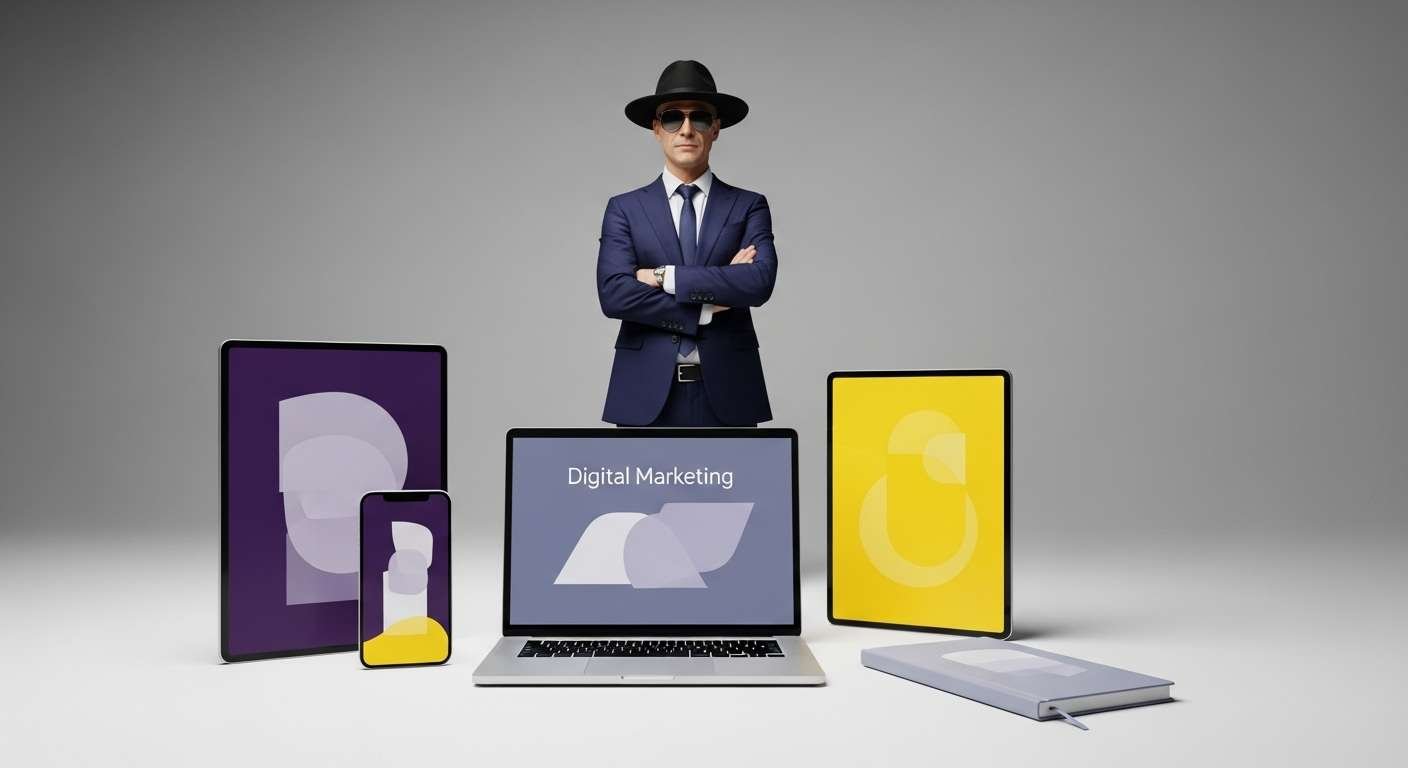
In a digital landscape that spans desktops, mobile devices, and social media channels, motion graphics must be optimized for seamless performance across multiple platforms. The visual and kinetic energy that captivates users on one device should remain equally compelling on another, maintaining clarity, responsiveness, and aesthetic impact. Nursing education consultants, for example, can deploy animated training modules that adapt to tablet interfaces, smartphones, or large screens, ensuring accessibility and engagement at all touchpoints. Motion graphics allow for scalable vector animations, responsive typography, and adaptive layouts that preserve storytelling integrity regardless of screen size. The urgency to implement cross-platform optimization is undeniable: audiences increasingly demand fluid, visually rich experiences anywhere, anytime. Ignoring platform compatibility risks diminished reach, fragmented engagement, and lost credibility. By ensuring every animation is versatile and responsive, creators can guarantee a unified, captivating experience that reinforces their authority and keeps users coming back for more.
Incorporating Real-World Testimonials and Verified Data
Trust and credibility are paramount in visual storytelling, and motion graphics can integrate real-world testimonials, licensed imagery, and verified data to establish authority. For instance, nursing education consultants can include animated testimonials from students, instructors, and healthcare professionals, paired with dynamically visualized performance metrics or success stories. These elements not only validate claims but also create a narrative anchored in reality, making audiences more likely to engage and act. Verified sources, licensing, and security credentials can be subtly highlighted within animations, reinforcing authenticity and reliability. In a world where skepticism runs high, such transparency transforms content from promotional to authoritative. FOMO becomes a persuasive force here: audiences are compelled to engage with verified, immersive narratives before missing out on timely insights, guidance, or opportunities. Brands and educators who leverage these strategies position themselves as trustworthy, informed leaders in their domain, enhancing both reputation and impact.
Driving Action Through Compelling Calls-to-Action
The ultimate goal of any motion graphics project is not merely to inform, but to inspire action. Whether it’s signing up for a course, downloading resources, or consulting with experts, every frame should guide the audience toward a decisive next step. Nursing education consultants, for example, can employ animated cues, dynamic text highlights, and motion-triggered buttons to create a sense of urgency and exclusivity. Carefully choreographed sequences can emphasize deadlines, limited availability, or special offers, tapping into the audience’s innate fear of missing out. The call-to-action becomes an integral part of the storytelling experience, seamlessly integrated into the narrative rather than tacked on as an afterthought. By combining visually compelling motion, persuasive messaging, and clear directions, creators can convert engagement into tangible outcomes, reinforcing the value and relevance of their content. Those who fail to craft compelling CTAs risk audience apathy, lost conversions, and diminished impact, while those who embrace these techniques capture attention, drive action, and secure a competitive edge in a crowded marketplace.
To learn more about effective techniques in the race for education, explore how you can leverage video editing software to enhance your multimedia projects.
If you want to elevate your video and animation skills, consider exploring resources available at the ukraine education center, where you can find specialized training and innovative techniques.
If you want to elevate your photography skills for both commercial and creative projects, exploring ai education jobs can provide valuable insights and techniques to enhance your craft.
To learn more about how incorporating brinquedos educativos can enhance your motion graphics projects, explore various strategies that can boost your multimedia content quality.
As you refine your multimedia skills and enhance your educational content, don’t overlook the importance of creating engaging environments for learning. A well-structured approach can make all the difference, so consider following a step by step guide to organizing interactive learning events and collaborative projects that foster creativity and collaboration.